The Strong and Silent Scot
Mental Health in Scotland: Breaking the Silence
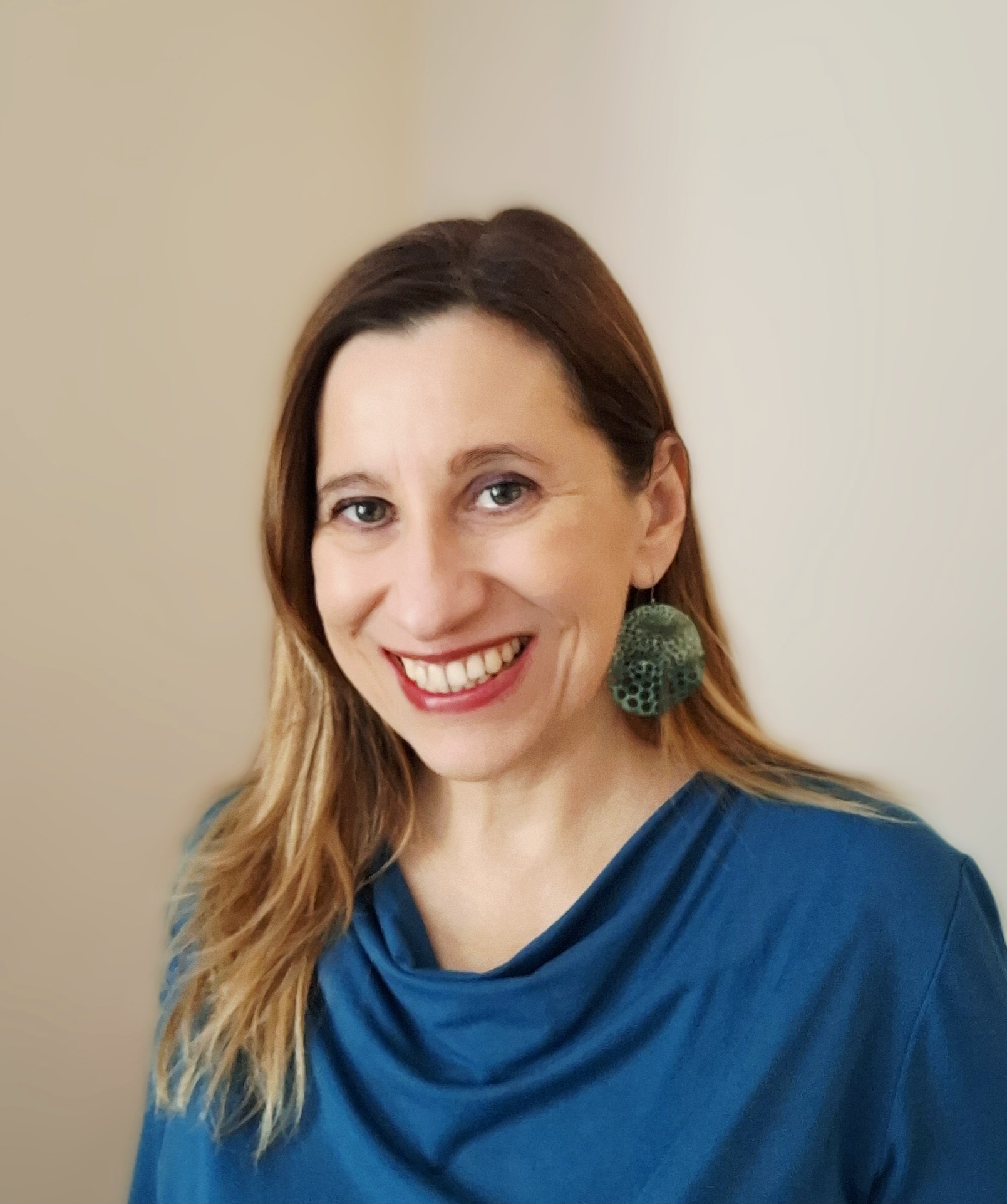
By Zsofia Kaplar, Counsellor & Coach
After 25 years of living in Edinburgh and two decades working in therapy and coaching, I have the Observer's Insight. I'm one of those people who the welcoming Scots generously call a "New Scot". I've lived, studied and worked, made many Scottish and New Scot friends, and brought up children here. In the meantime, I watched and listened, while quietly taking a loving outsider's notes.
Recently, I was asked to contribute to a YouGov survey on the state of the nation's mental health, commissioned by The Counselling Directory. Of course, then I've reflected even deeper. This post is food for thought — and I'd genuinely love to hear your perspective.
"Haud Yer Wheesht"
Twenty years of campaigning fro mental health awareness has begun to reduce the stigma in Scotland, but the survey shows that progress here still lags behind the rest of the UK. For many people — men in particular — the pressure to remain silent is a weight still carried across generations.
This cultural expectation to be stoic, strong, and self-sufficient runs deep. Vulnerability is too often mistaken for weakness. You can hear it in the everyday language: being told not to be daft or a whinger, or watching people use gallows humour to acknowledge pain they'd never dream of discussing openly. It is a way to acknowledge pain before swiftly moving on, so it is barely heard or processed.
"Haud yer wheesht" — stay silent — might seem like a harmless Scots phrase. But when applied to emotional pain, it can be quietly devastating. Scottish women are more likely to seek help for anxiety and depression. Scottish men are more likely to suffer in silence. Male completed suicide is 3 in every 4 in Scotland. Women are more likely to resort to self-harm, and have repeated suicide attempts. One of the reason is that traditionally, women build stronger support networks, and are more likely to seek help.
When a man feels he must hold his peace about his inner world, those thoughts and feelings tend to grow in the dark, feeding a cycle of low mood, isolation, and shame. Historically, the pub was Scotland's primary space for male connection. Sharing a dram could ease isolation — but it came with an unspoken condition. In a culture where "bringing everyone down" is the ultimate social faux pas, many men simply bottle up, or downplay teh difficulties and pain they're carrying.
The good news is that it's slowly changing. Initiatives like Men's Sheds offer something genuinely valuable: a space to be alongside others without the pressure of a formal sit-down conversation. The "shoulder-to-shoulder" approach — connecting while doing, rather than talking face to face — makes it easier to gradually open up, or simply feel the relief in not being alone.
Scotland's emotional reticence isn't just personal habit — it's inherent in the culture itself, and you can see it in surprising places. The clan system today holds significance primarily for historians and tourists, but clan mottos offer a revealing picture of the values that shaped Scottish identity for centuries. Scottish clan mottos were chosen around political, military, religious, and historical themes — duty, endurance, loyalty, courage. Warmth and emotional openness don't feature prominently.
Add to that the Presbyterian legacy — the teaching that to complain was to question God's will — and you have a culture with deep, layered reasons to stay silent. Calvinist Protestantism has been one of the major forces shaping Scottish national identity, reinforcing the idea that stoicism is virtue and vulnerability is weakness.
Research confirms that ideals of masculinity emphasising strength and emotional stoicism were actively practised within Scottish homes and reinforced in the wider community — passed from fathers to sons, across generations. That legacy still echoes in everyday language: the expectation to not be a whinger, the deflection of dark humour, the instinct to downplay rather than disclose.
Scotland is truly beautiful, but its environment, the short, dark winters, alongside the legacy of economic hardship and the weight of intergenerational trauma, can make hunkering down in quiet feel normal. But withdrawal from deeper connections, and being able to freely express how you feel has a cost.
The stigma is lifting. Slowly, imperfectly — but it is lifting. And every conversation that happens in the open rather than closed off, is part of that shift. If any of these themes touched a place where it would be helpful to talk, there is help available.
Zsofia Kaplar is a counsellor and coach based in Edinburgh with 20 years of experience in therapy and coaching
https://www.counselling-directory.org.uk/press/Counselling-Directory-report/