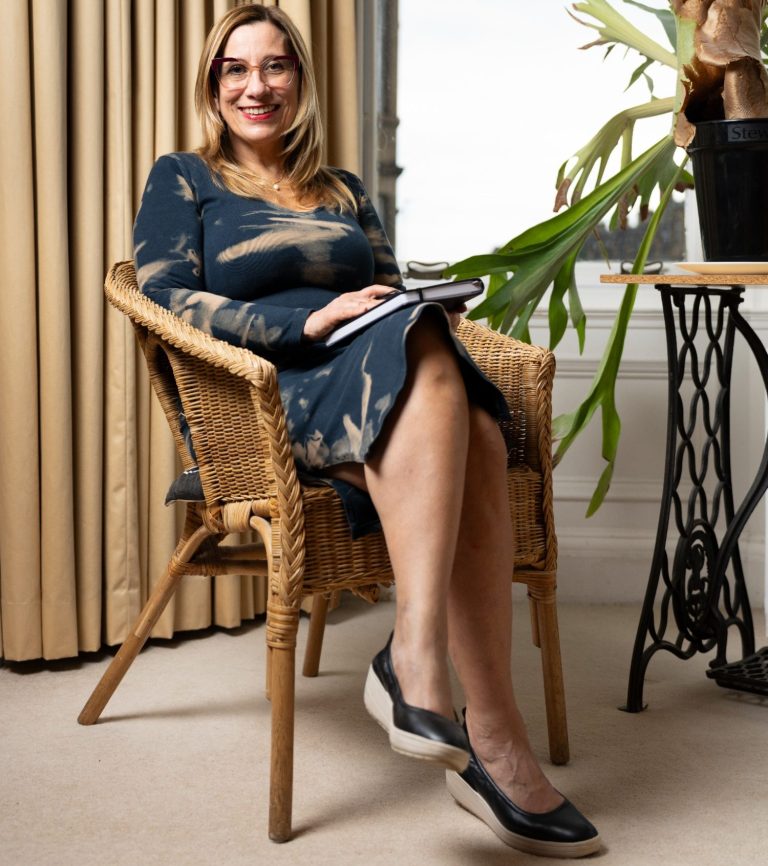
NCPS Accredited counsellor| 18 Years Experience | Aviva and WPA Approved - featured in The Stylist and Huffington Post
Anxiety, Trauma, Self-Esteem, ADHD, Peri- Post Menopause
Counselling, Psychotherapy, Coaching
Zsófia Káplár
MNCPS (Acc), PGDipCouns, MScPsych
Edinburgh (Scotland, UK) and Internationally


Anxiety
Anxiety and worry can become chronic, flooding your body, and narrowing your world through avoidance. The threat may not be real, but it can certainly feel like it.
Trying to avoid situations is not going to help. It can actually spiral you into a vicious cycle in thought, behaviour and bodily symptoms.
Learn to observe your patterns, challenge, or tolerate your thoughts and build up to more helpful behaviour. We can work with your central nervous system to learn safety, then decide what is worth your time and energy.

Trauma
Traumatic expreriences can create persistent struggles with self-esteem, deep-seated doubt in yourself and others, and a sense of disconnection from Self, the world and relationships.
Symptoms may include shutdown, hypervigilance, emotional overwhelm, intrusive thoughts, insomnia, feeling cut off from or unsafe in the world.
Creating some sense of safety in the body and the therapeutic relationship are both essential in trauma work.
It is a longer-term, highly individualised process needing a safe and professional space.
Self-Esteem
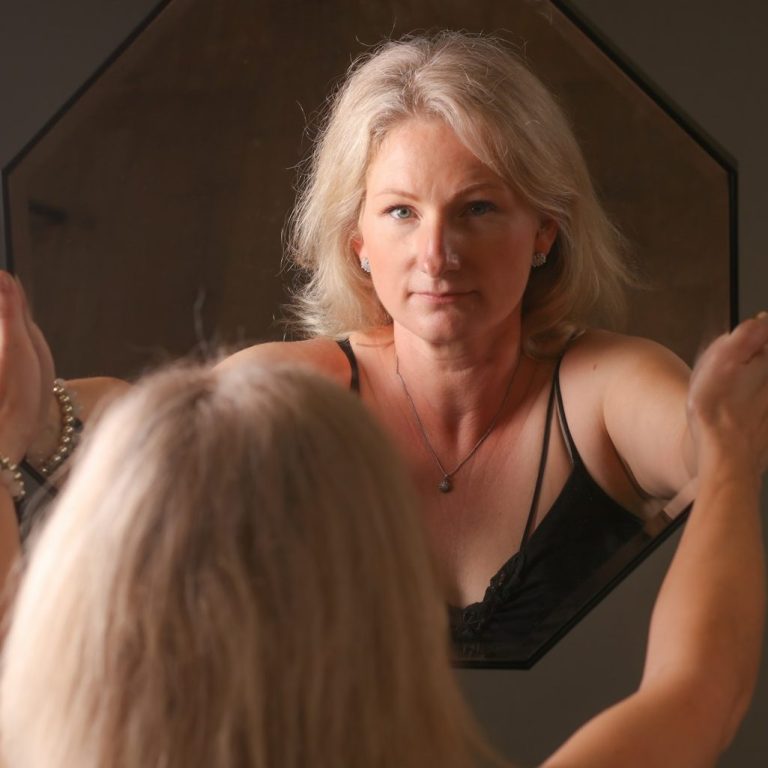
Do you feel that you are somehow not good enough, question your worth, can't say no, or find yourself trapped in comparison and self-blame? Putting yourself down before anyone else can?
Deeply internalized negative messages and core beliefs can create persistent feelings of inadequacy, a tendency to people-please, self-sabotage and difficulty setting boundaries.
Instead of shrinking yourself, start showing up as you would for a loved one. Therapy helps to deconstruct old and limiting narratives and self-blame, building on your hidden strengths.
About Me
Professional and compassionate human.
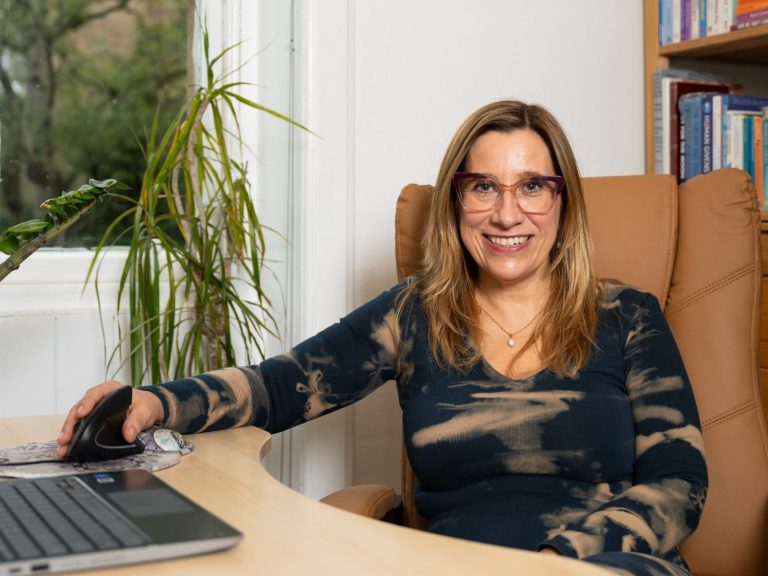
Who am I?
I grew up in Budapest, Hungary, but spent most of my adult life in London and Edinburgh. My own experiences of trauma gave me profound awareness, effective tools, both gentle and fierce self-compassion, and heaps of resilience.
Naming Wisdom
Zsófia means wisdom.
Not sure how to pronounce it?
It's ok. Try saying Zsófia as "ZHO-fee-uh", the "Zs" sounding like "s" in "treasure" and "ó" with a long "o". I like and appreciate all variations!
Working with me means using my own hard-earned gift of wisdom to help you hear, and rely on your own.
My Therapy Style
A strong therapeutic relationship is truly transformative. I will sit in your corner, deeply listening with warmth, validation and compassion.
My approach is termed as biopsychosocial, which is a holistic way of looking at where you are and why. Wider insight is as important as helping symptoms for creating lasting change.
I encourage you to improve the most fundamental relationship in your life - the one with yourself. You will then be better equipped to build and maintain healthy and fulfilling relationships with others, too.
Main Qualifications
- Master of Science in the Psychology of Mental Health (Edinburgh University)
- Post-graduate Diploma in Counselling and Psychotherapy (Edinburgh University)
- Post-graduate Certificate in Counselling (Edinburgh University)
- MA in English Language and Literature (ELTE University, Hungary)
Integrative Therapy Tailored to Your Needs
How does it all come together to work?
Integrating different therapeutic approaches allows me to support you as a whole person—addressing your past, your now, your thoughts, your heart, and your physical wellbeing.
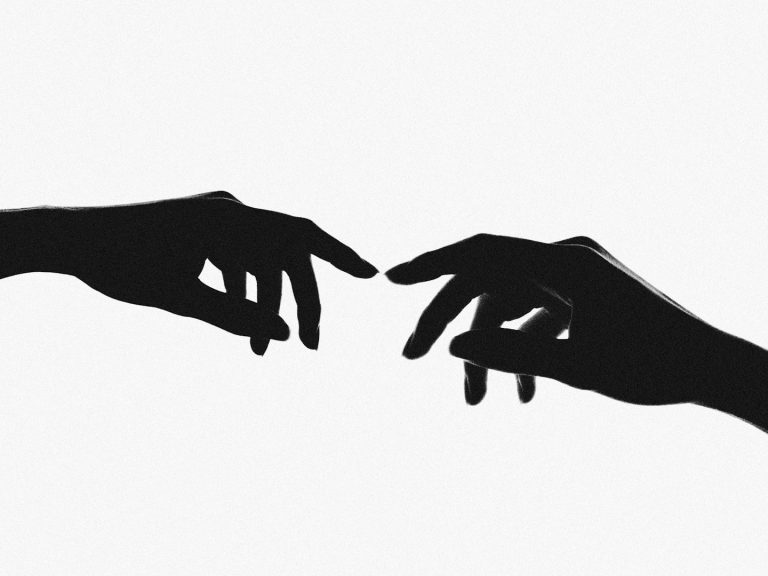
Attachment Styles
Psychodynamic Therapy
Many of our current struggles are not random; they are deeply rooted in our past experiences and the unconscious beliefs we formed to navigate them.
By exploring the origins, we can understand how patterns, which developed a long time ago, continue to shape your present life, your self-image, and your choices today.
Breaking the Cycle: Our work together brings these hidden dynamics to light. When we identify the "why" behind recurring patterns, they start losing their power. This insight is the key to breaking old, automatic cycles, allowing you to move forward with a more intentional, compassionate way of relating to yourself and others.

The Vicious Cycle
Cognitive Behavioural Therapy
Our thoughts, moods, and behaviors are deeply interconnected and ingrained. "Automatic" negative thought patterns can take over, creating a distorted lens through which you see ouselves and the world.
Shifting the Perspective: By learning to observe and challenge these thoughts, you can change the way you interpret challenging situations. This isn't about toxic positivity but about finding a more helpful, balanced, and realistic perspective that reduces distress.
Building New Habits: It’s possible to quit the vicious cycle of rumination and self-criticism. You can learn sustainable habits and effective coping strategies, building them step by step.
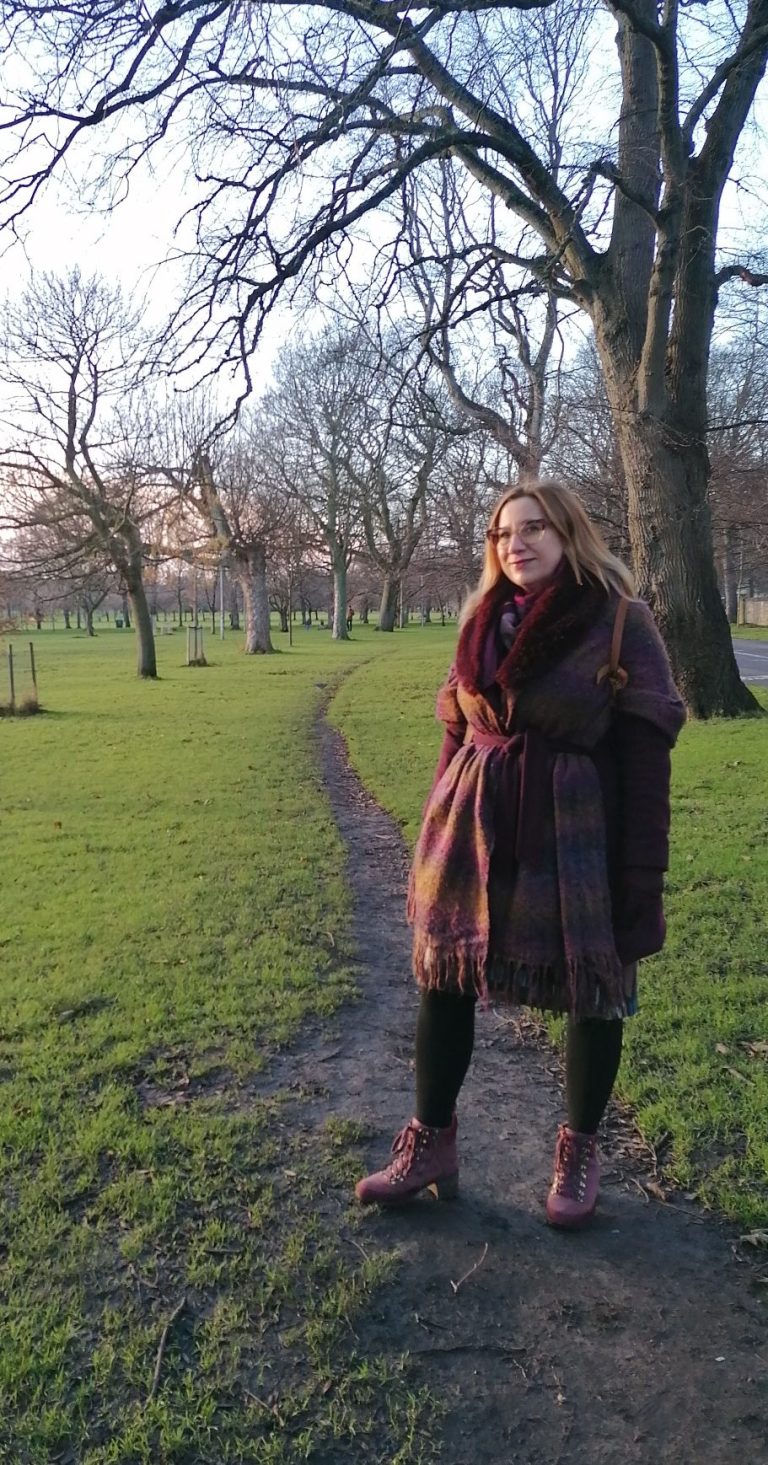
Healing is not a Linear Path
Take the first step
You don't have to walk alone
Integrative Therapy is a flexible, holistic approach that combines different psychological tools— mine include Psychodynamic insight, Cognitive strategies, trauma-aware Compassion and Somatic Experiencing—to meet your specific needs.
It is not a one size fits all approach. We use different methods to understand how your past shapes your present, and how your mind influences your body. It is an approach that works with both your story and biology.
Rewiring mind and body together
Integrative therapy is powerful because it addresses the whole person.
By bridging the gap between top-down (thinking and understanding) and bottom-up (sensing and feeling) work, we can create lasting change.
It isn't just talking about the problem; the process aims to resolve how it lives in the mind and under the surface.
The work is within you
Therapy is not something that is "done to you"—it is a collaborative journey that begins with your decision and is possible with your commitment.

Are you Friend or Foe to YOU?
Self-Compassion
Silencing the Inner Critic: For many, the "inner critic" is the loudest voice in the room—a relentless source of judgment, shame, and self-blame. Through our work, we transform this voice into a kind, supportive presence. This shift allows you to navigate life’s difficulties with warmth and curiosity rather than harshness.
The Science of Kindness: Self-compassion is not "fluffy" or indulgent; it is an evidence-based clinical tool that actively calms the nervous system and lowers cortisol levels. It is about treating yourself with the same care, patience, and loyalty you would naturally offer a dear friend. This is how we are meant to function, and it is possible for you, too.

Reclaim your Nervous System
Somatic Integration
The Body’s Memory: The body often holds onto stress, grief, and trauma that the mind cannot fully express or even remember. When experiences are too overwhelming for the logical mind, they are repeated in physiology as tension, fatigue, or sense of unease.
Releasing Stored Tension: Learn to tune into your physical sensations in a safe, supported way. We work with the body to gently release tension.
Nervous System Regulation: We help move your nervous system out of a state of "fight, flight, or freeze" and back into a state of ventral vagal safety. This isn’t just relaxation; it’s a "rewiring" to feel calm, grounded, and safe in your own skin once again.
My Experience and Clinical Background
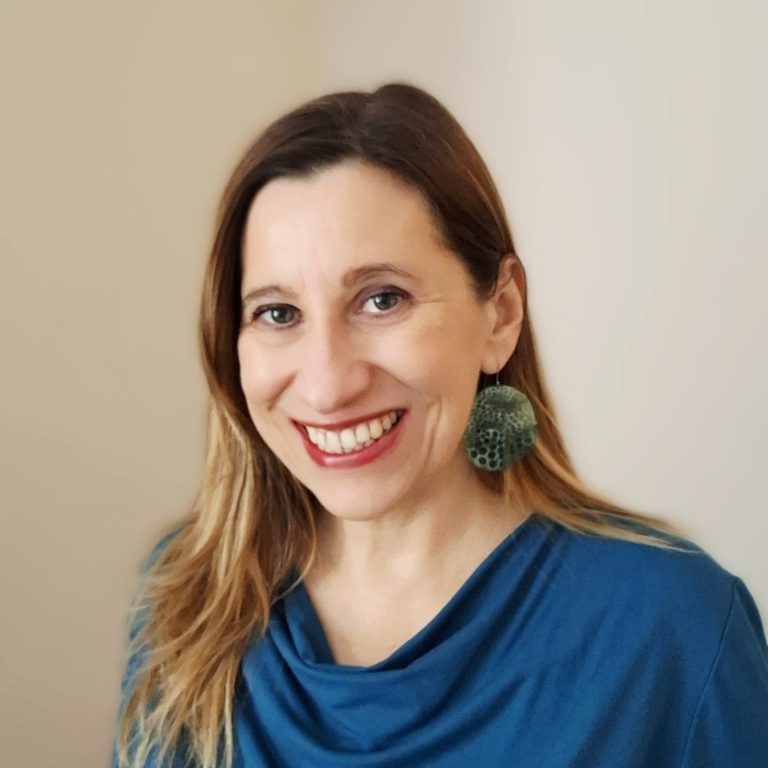
Bilingual (English/Hungarian) therapist trained in psychodynamic and person-centred counselling and psychotherapy at the University of Edinburgh.
In professional practice for 16+ years, integrating third-wave CBT, mindfulness, compassion, and somatic (body-mind) techniques to provide transformational relational therapy. Trained as a personal life-coach prior to becoming a therapist.
2o years in a nutshell:
Private Practice (Edinburgh & International)
Local and international therapy in both English and Hungarian. Online and in-person.
Future Pathways Partner Counsellor
Highly specialized, trauma-informed therapy for care-experienced survivors of childhood abuse.
Health in Mind Senior Guided Self-Help Worker
Training in Cognitive Behavioral Therapy (CBT) skills (level 1 BPS-approved, and in-house) to deliver NHS-funded, CBT-based mental health interventions for mild to moderate depression and anxiety, based on GP referrals.
Support and Development Worker
Delivering anxiety management and mindfulness workshops plus training. Piloting "Walk and Talk" therapy and drop-in bibliotherapy.
Crossreach Perinatal Depression (PND) Services:
Individual therapy for new mothers navigating birth injury, trauma, attachment, and perinatal anxiety/depression. Co-facilitating long-term psychodynamic therapy group, providing couples therapy and supervising placement therapists.
LGBT Health & Wellbeing:
Individual counselling sessions to marginalized LGBTQI+clients.
Scottish Institute for Human Relations:
Individual psychodynamic therapy, including Employee Assistance Programme (EAP) contracts and co-therapy (two-counsellor) sessions.
Falkirk and District Association for Mental Health (FDAMH):
Placement counsellor delivering a 12-session model of time-limited general therapy.
New-U Coaching: Completed formal Life Coaching training and transitioned into associate work, providing monthly personal coaching, before further training and private practice.
Get in touch or Book
Mental Health Specialisms
Anxiety
Anger
Trauma and PTSD
Low Mood and Depression
Low Self-Esteem or Self-Confidence
Perfectionism and People-Pleasing
Life Changes and Transitions
The Expatriate or Immigrant Experience
Perimenopause to Postmenopause
Imposter Syndrome
Overcoming Narcissictic Abuse, Trauma Bonds
Childhood Developmental Trauma
Stress and Burn-Out
Relationship Issues
Chronic Urticaria or Hives